Why Iowa?

Majors in earth, environment, and sustainability come together in one dynamic school that encompasses natural science and human-centered perspectives to help you focus your passion and make an impact in your chosen career.
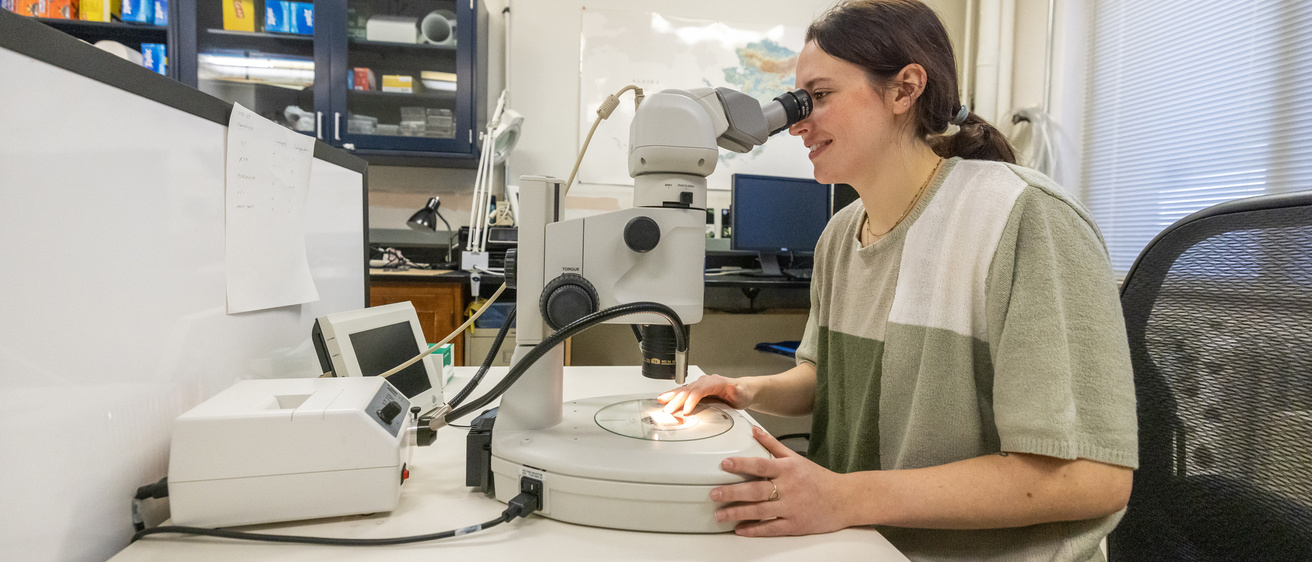
Build a foundation

Advance your knowledge

Learn from experts

See yourself here

Exciting field trips, research opportunities, and internships will take you out of the classroom and into labs and nature, providing hands-on, real-world experience.
Write your story

From working in a lab to drafting policy, you’ll find your place here. Our majors are designed to provide the foundation and flexibility you need to succeed academically and professionally.
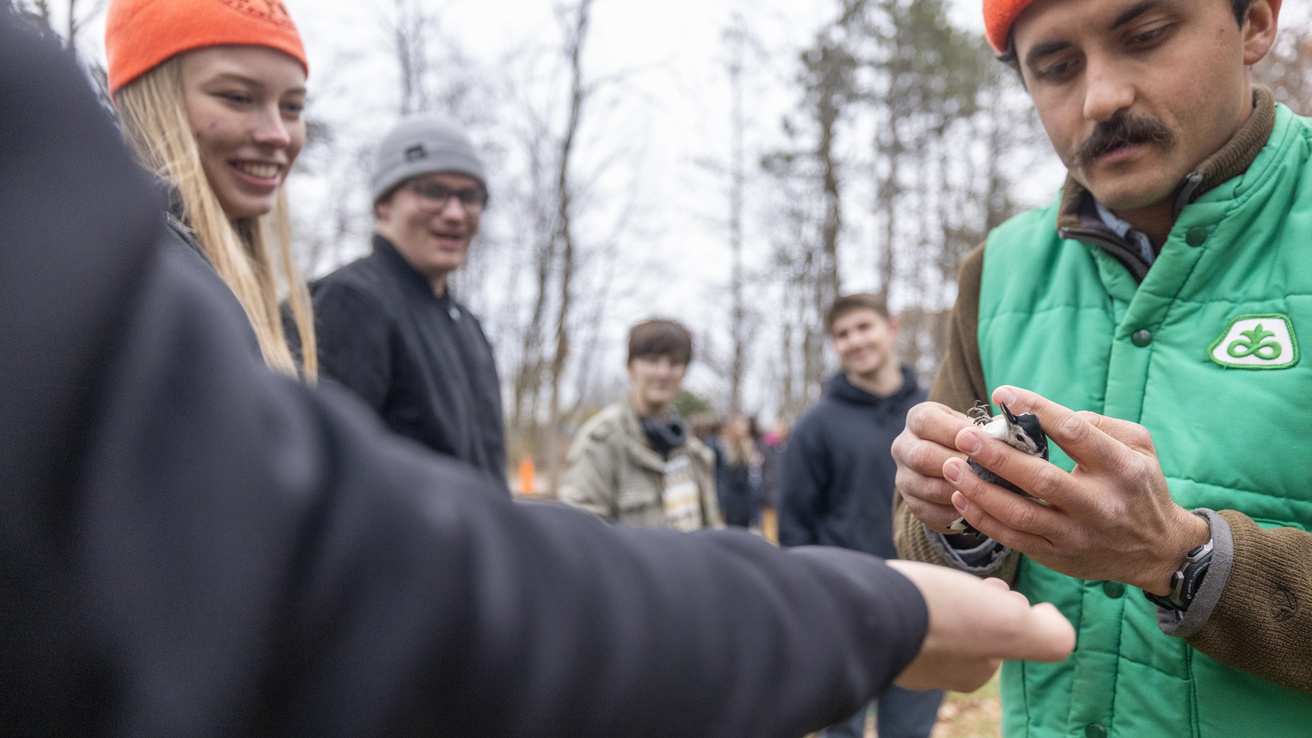
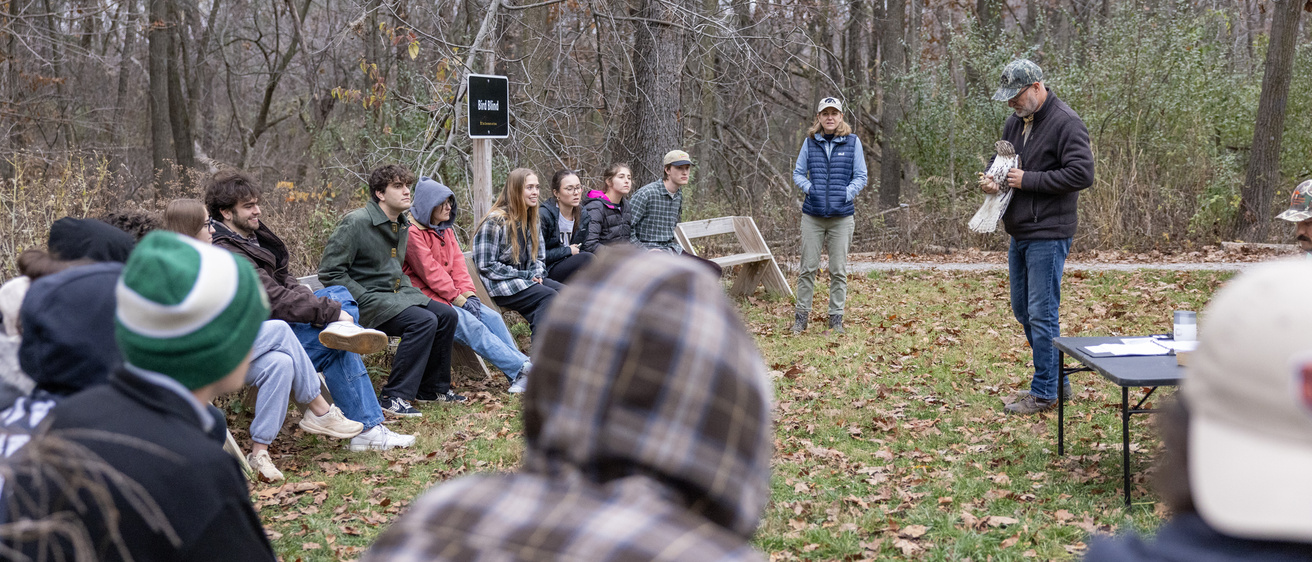
Iowa students bird banding at Lake MacBride Nature Center

3

Undergraduate majors
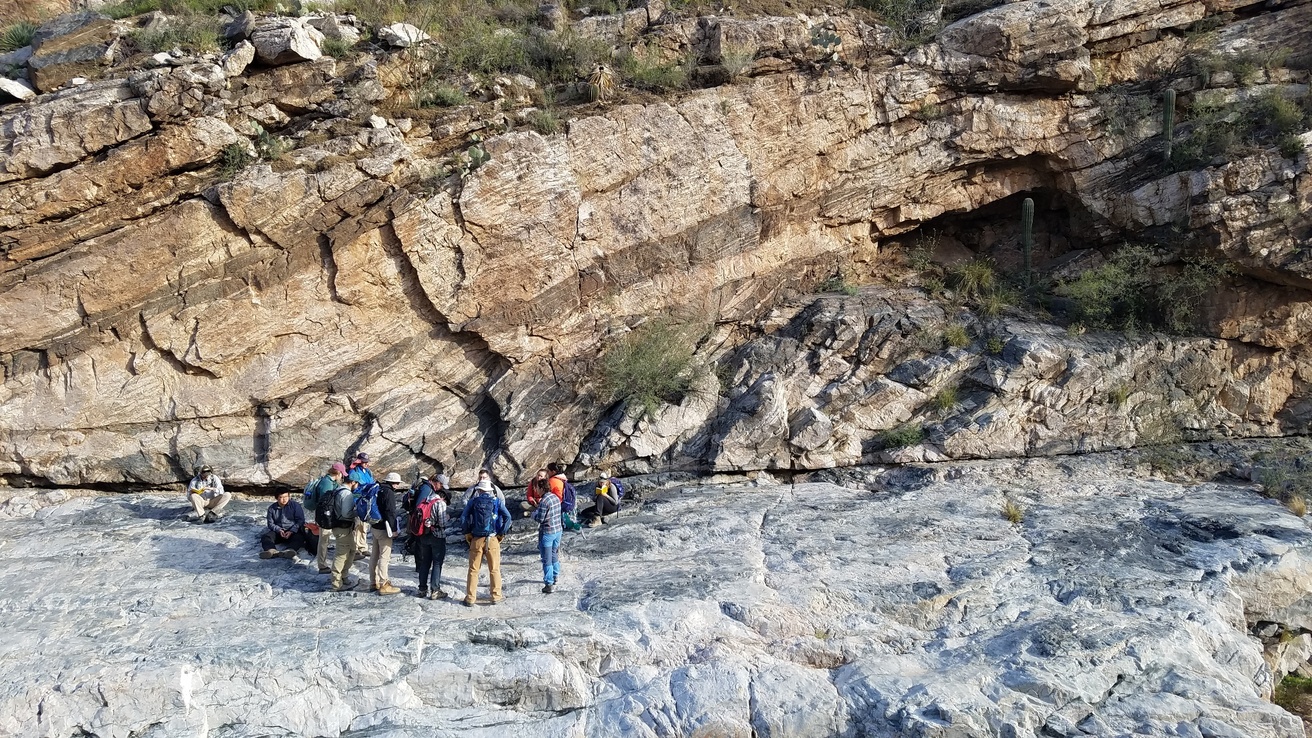
Students on a field trip in front of rock formations

7

Undergraduate tracks

4

Foundational courses
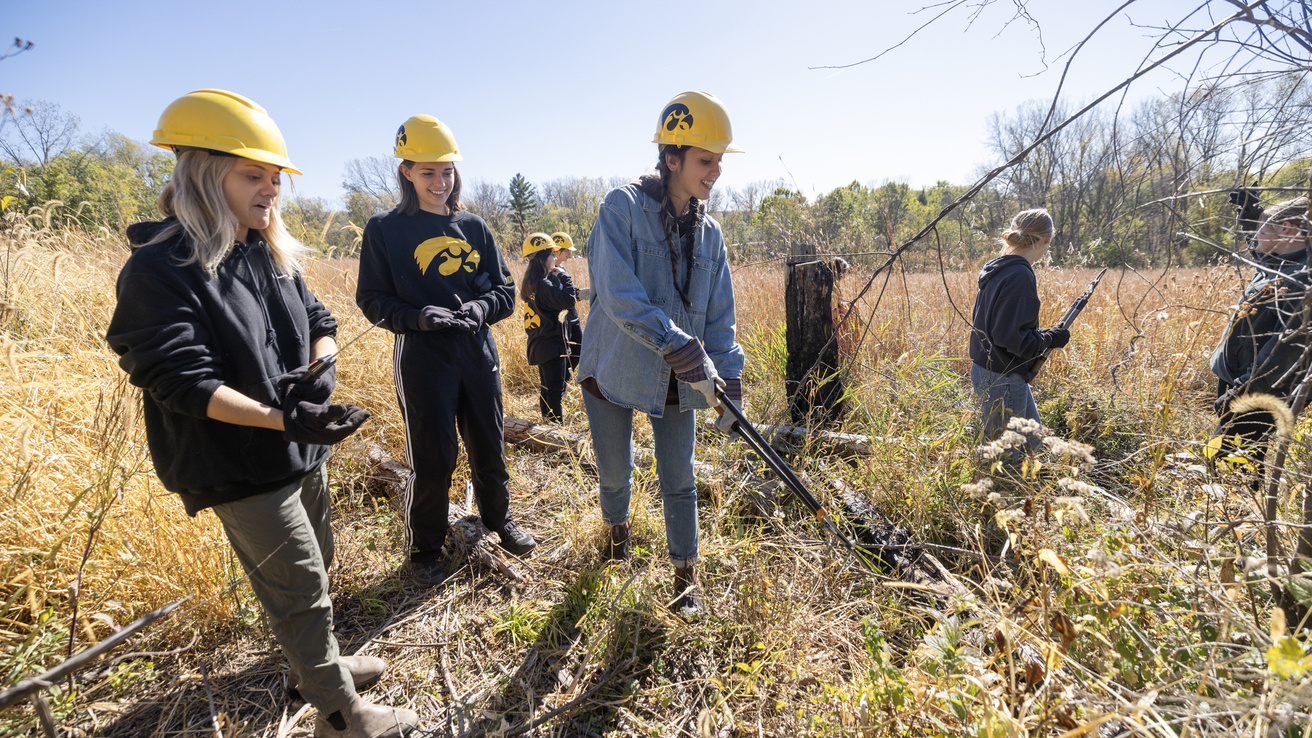
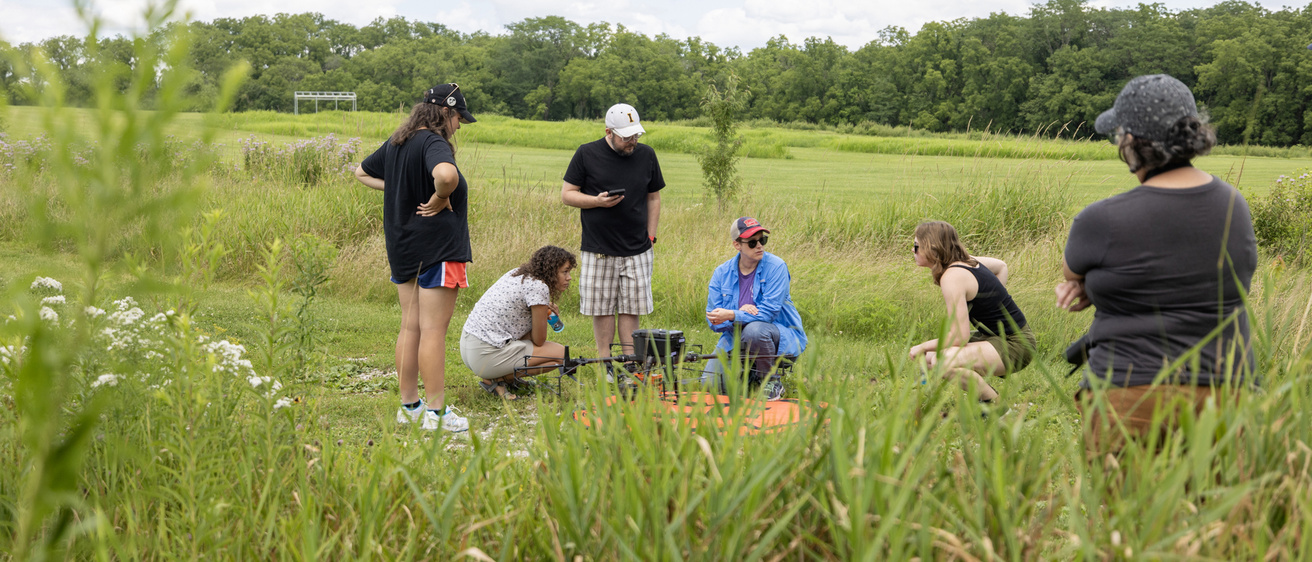
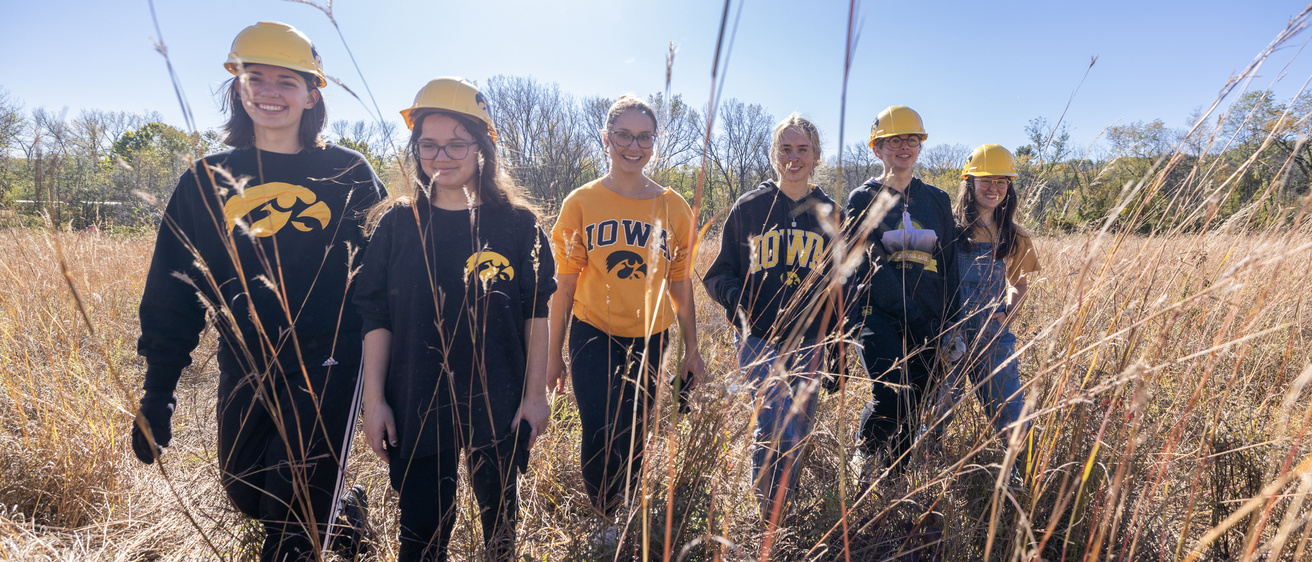
Iowa students in a prairie doing field work at Lake MacBride Nature Center

9

Research areas
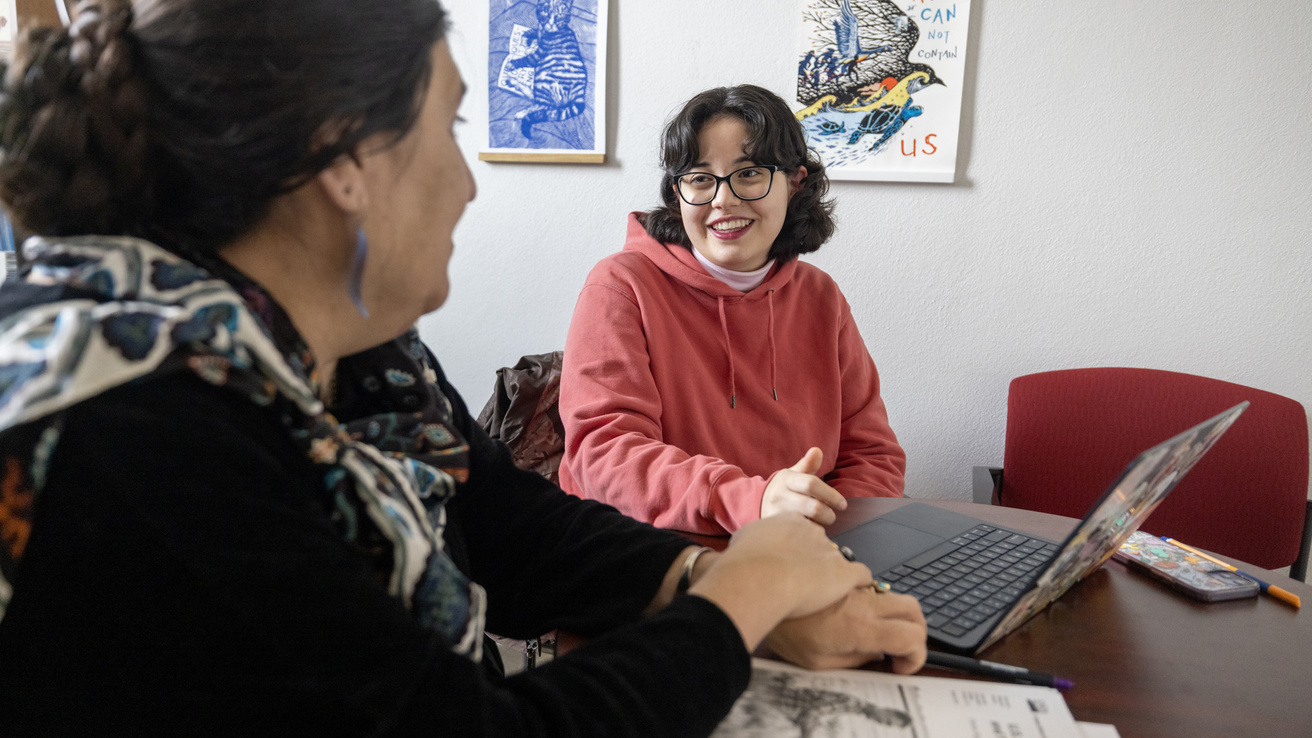
EEPL student doing one on one meeting with faculty for research work

News and announcements

CLAS researcher finds gemstones on Mars using NASA rover

Wednesday, August 26, 2026
Planetary geologist Valerie Payré from the University of Iowa is part of a team using one of NASA’s rovers on Mars that’s found the makings for precious gems like rubies and sapphires in the Martian soil.

From cicadas to cathedrals, Adam Skibbe maps it all

Monday, August 17, 2026
Adam Skibbe is a senior GIS administrator and adjunct instructor whose work centers on geospatial technology and the questions it can help researchers answer. He provides GIS support across the College of Liberal Arts and Sciences and the university, works with faculty and students on research, and teaches students how to use geospatial tools they may encounter in their careers.

Events

Biology Seminar: "Influenza: A virus at the human-animal interface and zoonoses" promotional image

Biology Seminar: "Influenza: A virus at the human-animal interface and zoonoses"

Friday, September 25, 2026 3:30pm
Biology Building East
The Department of Biology's seminar speaker on Friday, September 25, at 3:30pm, is Tavis Anderson, PhD, a Research Biologist with the National Animal Disease Center, U.S. Department of Agriculture (USDA)-Agricultural Research Service (ARS), in Ames, Iowa. The seminar will be held in Room 101, Biology Building East (BBE).

Critters, Crawlers, and Creepers, Oh My! (Private Event for SEES Undergrads + Graduate Students) promotional image

Critters, Crawlers, and Creepers, Oh My! (Private Event for SEES Undergrads + Graduate Students)

Saturday, September 26, 2026 9:30am to 12:00pm
Ashton Cross Country Course

The Pentacrest Museum and Ashton Prairie groups are hosting a private event for SEES' undergraduate and graduate students. It will be on Saturday, September 26th from 9:30-10:30 AM (at Ashton Cross Country Course) and 11:00 AM-12:00 PM at the Museum of Natural History. The half hour is to account for travel time.

The event is focusing on a Bug Scavenger Hunt at the prairie. Then the group will go to the museum and get a behind the scenes tour of the prep lab and a tour of the insect collection...

Mastodon Exhibit Ribbon Cutting at Prairie Trails Museum | Corydon, IA promotional image

Mastodon Exhibit Ribbon Cutting at Prairie Trails Museum | Corydon, IA

Saturday, September 26, 2026 10:00am
Prairie Trails Museum of Wayne County
The Prairie Trails Museum of Wayne County in Corydon, IA, is hosting a ribbon cutting for their new mastodon exhibit during their Fall Pioneer Festival on September 26. The ribbon cutting is at noon, but festivities start at 10am.
Introduction to Spatial Data Science with Jinyi Cai promotional image

Introduction to Spatial Data Science with Jinyi Cai

Tuesday, September 29, 2026 1:00pm to 3:00pm
Virtual
Many social science questions have a spatial dimension. Exploring spatial patterns can help researchers generate hypotheses about how geography shapes social and environmental processes in their studies. This workshop is for beginners to learn a practical workflow for exploring spatial patterns of socio-demographic and environmental data. Through a hands-on case study, participants will retrieve socio-demographic data through the U.S. Census API and integrate it with spatial datasets. They will then use interactive visualization to explore geographic patterns and apply spatial statistical methods to identify spatial clusters, where nearby areas have similar values, and spatial outliers, where locations differ from their neighbors. Participants will learn to conduct these analyses in Google Colab using Jupyter notebooks based on Python. The cloud-based environment allows them to run analyses and scale computation on large datasets without local software installation. Basic familiarity with Python is helpful but not required.
View more events