This is a keynote lecture for the 2025-2026 Obermann Symposium: "Cultivating Rurality: Building Community around Rural Research."
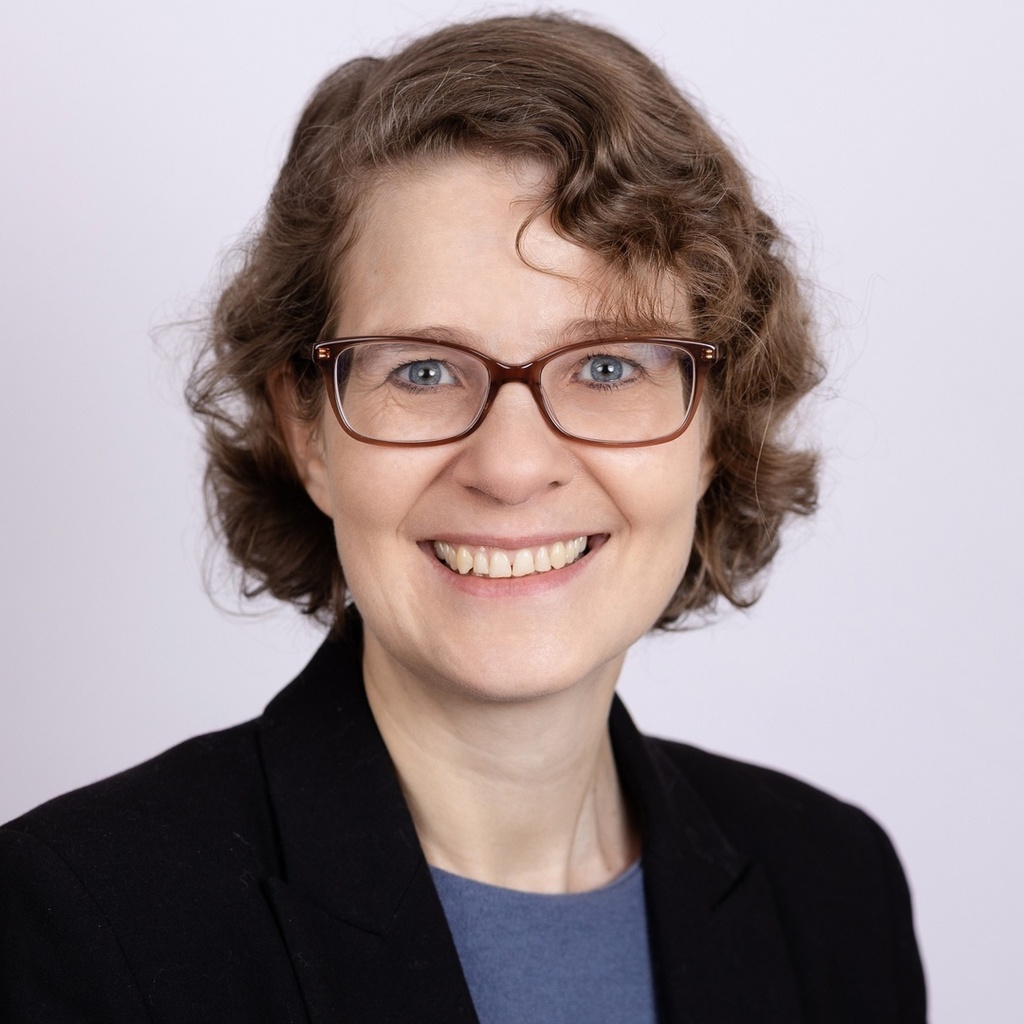
Esther Pereen, University of Amsterdam: "Reimagining the Rural from Idyll to Hinterland: Exhausting Rural Childhoods”
Across the social and cultural realms, the rural is often imagined through idyllic and pastoral genres that allow it to be conceived as a refuge from globalization. Pereen's European Research Council–funded project RURAL IMAGINATIONS, concentrating on the literary, filmic, and televisual imagination of the rural in the UK, US, Netherlands, China, and South Africa, sought to explain why this is (by exploring the strong affective attachments that exist to these genres), what the effects of this are (in terms of invisibilizing globalization processes in the rural), and how to come up with ways of imagining the rural as globalized. The concept of the hinterland offers one such way, allowing the rural to be recognized as a historical site of (human and natural) resource extraction. By looking closely at two documentary films drawing attention to the exhausting lives of “left-behind” children in rural China and migrant farm workers in the US—Wang Bing’s 2012 Three Sisters and U. Roberto Romano’s 2011 The Harvest/La Cosecha—Pereen will explore how children working in rural hinterlands challenge the idyllic notion of the rural as allowing those living or visiting to take a breather and to breathe clean air. The children’s breathing, both films emphasize, is not restorative but becomes labored as they do farm work and face pollution and a pervasive affective atmosphere of hopelessness. At the same time, both films exemplify how rural hinterlands are not always realms of pure despair: the children find slivers of hope—moments of breathing more easily—in attending school or finding time to play. By outlining how the films diverge in the aesthetics and politics of breathing they present, it becomes clear that they differ in the degree of distance they take from the rural idyll.
Free and open to all.